Vagina: What's normal, what's not
- Get link
- X
- Other Apps
Vagina: What's normal, what's not
Vaginal health affects more than just your sex life. Find out about common vaginal problems and ways to promote a healthy vagina.
Vaginal health is an important part of a woman's overall health. Vaginal problems can affect your fertility, desire for sex and ability to reach orgasm. Ongoing vaginal health issues can also cause stress or relationship problems and impact your self-confidence. Know the signs and symptoms of vaginal problems and what you can do to protect your vaginal health.


Vaginal health is an important part of a woman's overall health. Vaginal problems can affect your fertility, desire for sex and ability to reach orgasm. Ongoing vaginal health issues can also cause stress or relationship problems and impact your self-confidence. Know the signs and symptoms of vaginal problems and what you can do to protect your vaginal health.
What affects vaginal health?
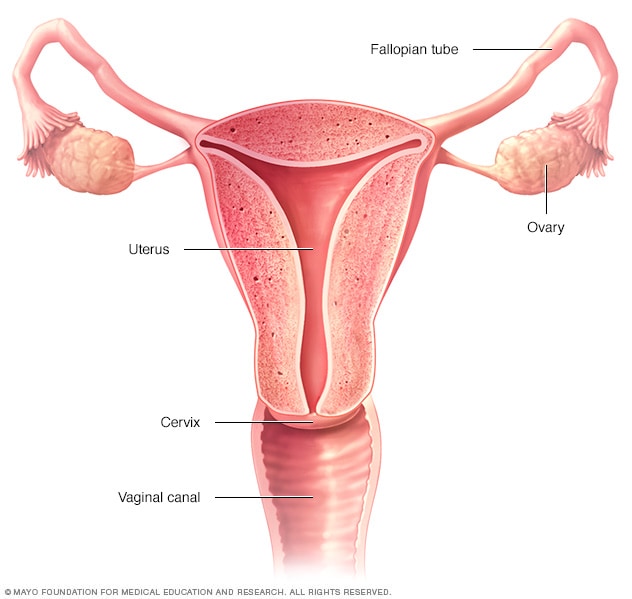
The vagina is a closed

Vulva
muscular canal that extends from the vulva — the outside of the female genital area — to the neck of the uterus (cervix). Various factors can affect the health of your vagina, including:
- Sex. Unprotected sex can result in a sexually transmitted infection. Forceful sex or an injury to the pelvic area can result in vaginal trauma.
- Certain health conditions or treatments. Conditions, such as endometriosis and pelvic inflammatory disease, might cause painful sex. Scarring from pelvic surgery and certain cancer treatments also can cause painful sex. Use of some antibiotics increases the risk of a vaginal yeast infection.
- Birth control and feminine-hygiene products. Barrier contraceptives, such as condoms, diaphragms and associated spermicide, can cause vaginal irritation. The use of sprays, deodorants or douches may cause irritation or make existing irritation worse.
- Pregnancy and childbirth. If you become pregnant, you'll stop menstruating until after your baby is born. During pregnancy, vaginal discharge often increases. Vaginal tears are relatively common during childbirth. In some cases, an episiotomy — an incision made in the tissue of the vaginal opening during childbirth — is needed. A vaginal delivery can also decrease muscle tone in the vagina.
- Psychological issues. Anxiety and depression can contribute to a low level of arousal and resulting discomfort or pain during sex. Trauma — such as sexual abuse or an initial painful sexual experience — also can lead to pain associated with sex.
- Hormone levels. Changes in your hormone levels can affect your vagina. For example, estrogen production declines after menopause and during breast-feeding. Loss of estrogen can cause the vaginal lining to thin (vaginal atrophy) — making sex painful.
What are signs or
symptoms of vaginal problems?
Consult your doctor if you notice:
- A change in the color, odor or amount of vaginal discharge
- Vaginal redness or itching
- Vaginal bleeding between periods, after sex or after menopause
- A mass or bulge in your vagina
- Pain during intercourse
You might not need to see your doctor every time you have vaginal irritation and discharge, particularly if you've been diagnosed with a vaginal yeast infection in the past and you're experiencing similar signs and symptoms. However, if you choose to use an over-the-counter medication and your symptoms don't go away, consult your doctor.
What can I do to keep my vagina healthy?
You can take steps to protect your vaginal health and overall health. For example:
- Be sexually responsible. Use condoms or maintain a mutually monogamous relationship with a partner who's free of sexually transmitted infections. If you use sex toys, clean them after every use.
- Get vaccinated. Vaccinations can protect you from HPV, the virus associated with cervical cancer, as well as hepatitis B — a serious liver infection that can spread through sexual contact.
- Do Kegel exercises. Kegel exercises can help tone your pelvic floor muscles if you have prolapse, leaking of urine or weakness of the pelvic floor.
- Know your medications. Discuss medication use and possible vaginal side effects with your doctor.
- Limit the amount of alcohol you drink and don't smoke. Chronic alcohol abuse can impair sexual function. Nicotine might inhibit sexual arousal. Substance abuse might also cause poor physical and mental health, which can affect sexual function.
While not all vaginal problems can be prevented, regular checkups can help ensure that problems affecting your vagina are diagnosed as soon as possible. Don't let embarrassment prevent you from talking to your doctor about any concerns you might have about your vaginal health.
- Get link
- X
- Other Apps


Comments
Post a Comment